April 27, 2026
High-quality printing is not just about ink on paper; the finishing stage is what transforms a basic print job into a professional product. Effective print finishing techniques enhance durability, visual appeal, and overall impact. When done correctly, finishing can elevate marketing materials, packaging, and business documents to a much higher standard.
Understanding the Role of Finishing in Print Production
Print finish services refer to the final processes applied after printing is complete. These steps improve both the appearance and functionality of printed materials, ensuring they meet professional expectations.
Common finishing processes include cutting, folding, binding, laminating, and coating. Each technique serves a specific purpose, whether it is improving durability or enhancing visual presentation.
Without proper print finish services, even high-quality designs can appear incomplete or unpolished. This stage ensures that printed materials are ready for distribution and use in real-world settings.
Applying Cutting and Trimming Techniques Precisely
Cutting and trimming are among the most fundamental print finish service processes. These techniques ensure that printed materials are the correct size and have clean, professional edges.
Precision is critical, especially for marketing materials such as brochures, business cards, and flyers. Uneven edges can negatively affect the overall perception of quality.
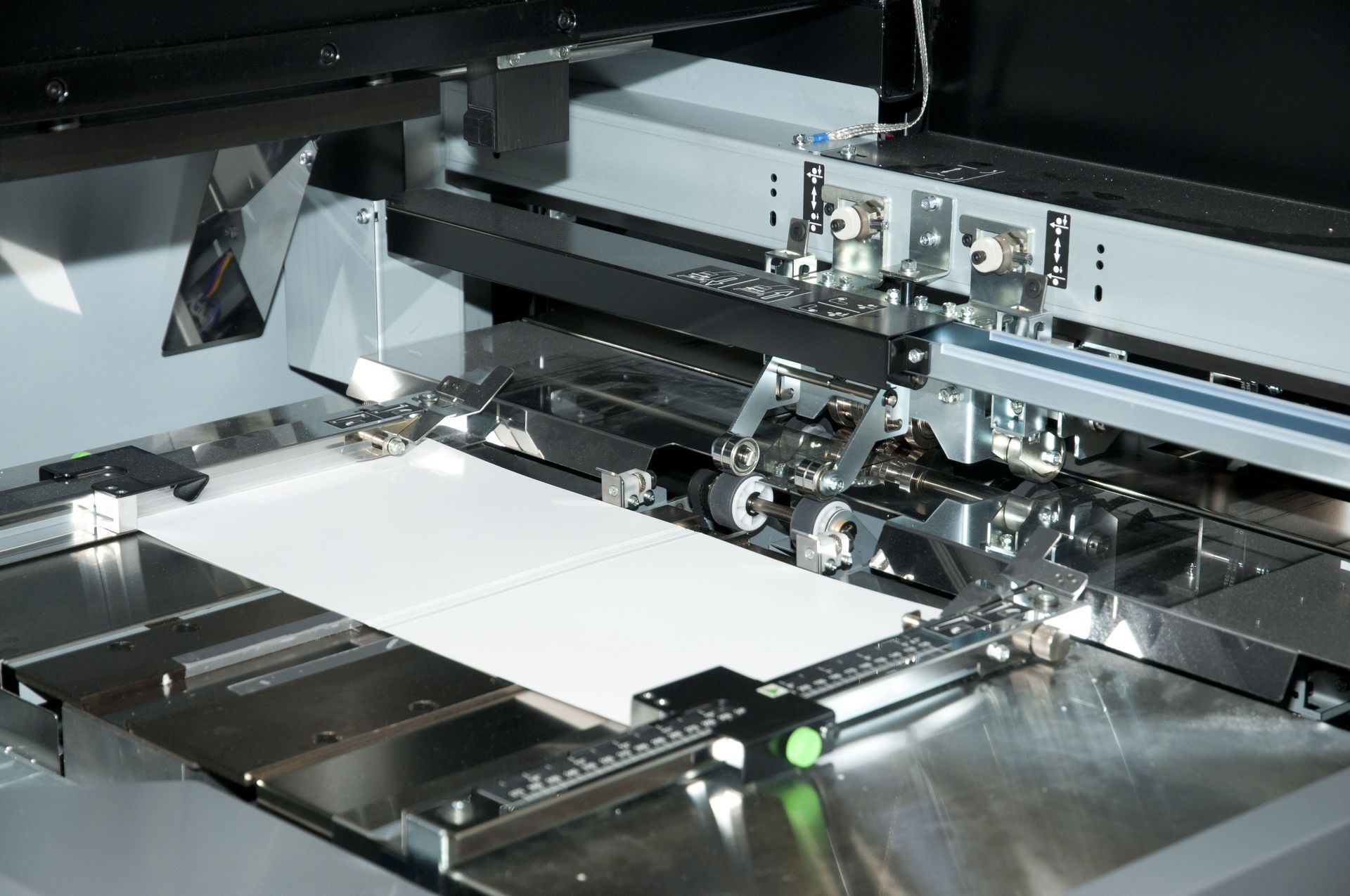
Advanced equipment allows for highly accurate trimming, reducing waste and improving consistency. Professional print finish services rely on automated cutting systems to achieve uniform results across large print runs.
Enhancing Durability with Lamination Methods
Lamination is a popular print finish service technique that involves applying a protective layer over printed surfaces. This layer can be glossy, matte, or satin, depending on the desired effect.
Laminated materials are more resistant to moisture, tearing, and fading. This makes them ideal for menus, signage, and frequently handled documents.
In addition to protection, lamination also enhances visual appeal by adding depth and vibrancy to printed colors. As part of high-quality print finishing, it ensures materials last longer and maintain their professional appearance.
Improving Presentation with Folding Techniques
Folding is essential for creating structured and easy-to-read printed materials. Brochures, leaflets, and newsletters all rely on precise folding to present information effectively.
Different folding styles, such as bi-fold, tri-fold, and gate fold, allow for creative layout options. Each style influences how the reader interacts with the content.
Accurate folding is a key component of professional print finish service, as it ensures alignment and consistency across all pieces. Poor folding can disrupt readability and reduce the overall impact of the design.
Strengthening Materials with Binding Solutions
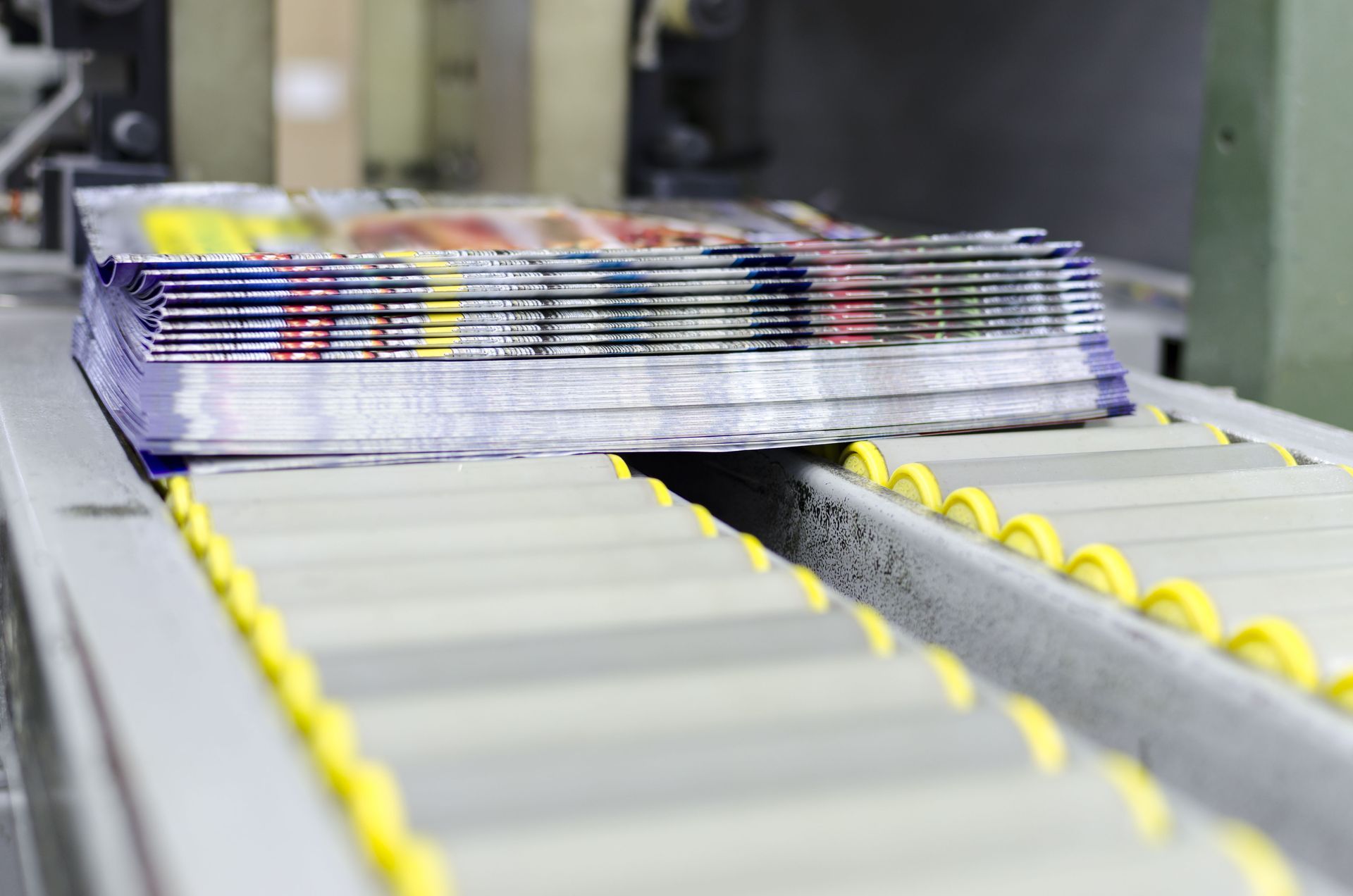
Binding is used to assemble multiple pages into a single, cohesive document. It is commonly used for reports, catalogs, manuals, and booklets.
There are several binding methods, including saddle stitching, perfect binding, spiral binding, and wire-o binding. Each method offers different levels of durability and presentation quality.
Choosing the right binding technique is an important part of print finish services, as it affects both usability and appearance. Strong binding ensures that documents remain intact through repeated use.
Adding Visual Impact with Coating Applications
Coating is another important print finishing technique that enhances both aesthetics and protection. It involves applying a liquid layer to printed surfaces to create a specific finish.
UV coating, aqueous coating, and varnish are commonly used options. These coatings can make colors appear more vibrant while also protecting against scratches and smudges.
Coating adds a professional touch that helps printed materials stand out. As part of comprehensive print finish services, it improves both durability and visual appeal.
Understanding Audience Perception in Print Design
The effectiveness of printed materials is closely tied to how audiences perceive and interact with them. In a world saturated with digital content, physical print still plays a valuable role in communication.
According to Post Card Mania, 58% of find digital brand messages overwhelming. This highlights the importance of well-designed print materials that offer a tangible and less intrusive alternative.
Effective print finish services help bridge the gap between design and audience engagement by making materials more appealing and easier to process.
Enhancing Branding Consistency Across Materials
Consistency is essential in branding, and print finishing plays a key role in maintaining it. From color accuracy to texture and finish, every detail contributes to brand perception.
High-quality finishing ensures that all printed materials align with brand standards. This includes maintaining consistent edges, coatings, and binding styles across different products.
Professional print finish services help businesses present a unified image, reinforcing trust and recognition among customers.
Increasing Perceived Value of Printed Products
Well-finished printed materials often feel more valuable to the recipient. The texture, weight, and overall presentation contribute to this perception.
Premium finishing techniques such as embossing, foil stamping, and soft-touch coatings can significantly enhance perceived quality. These details make a strong impression in competitive markets.
Investing in print finish services is not just about appearance; it also influences how customers perceive the credibility of a brand or message.
Supporting Marketing and Advertising Effectiveness
Printed marketing materials must capture attention quickly and communicate messages clearly. Finishing techniques help achieve this by improving readability and visual appeal.
Flyers, posters, and brochures with high-quality finishes are more likely to be noticed and retained by audiences. This increases the effectiveness of marketing campaigns.
Print finish services ensure that marketing materials not only look professional but also perform better in real-world environments.
Improving Handling and User Experience
User experience is an important consideration in print design. Materials that are easy to handle, read, and store are more likely to be used effectively.
Folding, binding, and coating all contribute to a smoother user experience. These elements make printed materials more practical and enjoyable to interact with.
Good print finishing ensures that functionality is not sacrificed for design, creating a balance between aesthetics and usability. It also helps guide the reader’s attention naturally through the content, improving clarity and engagement.
Reducing Wear and Extending Lifespan
Printed materials often need to withstand frequent handling, especially in commercial or public settings. Without proper finishing, they can quickly become damaged or worn. Lamination, coating, and durable binding techniques help extend the lifespan of printed products. This reduces the need for frequent reprints and saves costs over time.
Effective print finish services ensure that materials remain in good condition for as long as they are needed. It also improves resistance to moisture, fingerprints, fading, and general handling stress, which is especially important for menus, catalogues, training manuals, and signage. In high-traffic environments, these protective layers help maintain a professional appearance even after repeated use. Businesses that invest in stronger finishing techniques often see better long-term value because their printed assets stay usable and visually consistent for extended periods, reducing both replacement frequency and operational disruption.
Supporting Specialized Industry Applications
Different industries require different types of printed materials, and finishing techniques must adapt accordingly. For example, medical manuals require durability, while luxury packaging focuses on aesthetics.
Print finish services allow for customization based on industry needs. This flexibility ensures that materials meet both functional and visual requirements. From retail to corporate communications, finishing plays a critical role in delivering industry-specific solutions.
Print finish services are a crucial step in transforming basic printed materials into polished, professional products. Through techniques such as cutting, binding, coating, and folding, businesses can significantly improve both appearance and performance. With the right finishing approach, printed materials become more durable, engaging, and effective in communication. If you are looking for reliable print finishing services, contact Feiereisen Inc today to learn more and get started!