September 29, 2026
In today's competitive market, making your marketing materials stand out is crucial for capturing the attention of your target audience. Businesses are continually seeking ways to improve the appearance, quality, and effectiveness of printed pieces. One finishing method that can accomplish these goals is UV coating, which adds a protective layer while enhancing the visual presentation of printed materials. From business cards and brochures to postcards and product packaging, a professional finish can help ordinary print pieces feel more polished and memorable. Understanding how finishing techniques affect appearance and durability can help businesses make informed decisions when planning their next marketing campaign.
Differentiating marketing materials involves more than choosing attractive colors, fonts, and graphics. The texture, sheen, durability, and overall feel of a printed piece can influence how recipients perceive it. A carefully selected finish can complement a strong design while protecting the printed surface from everyday handling. This combination of visual appeal and practical performance makes finishing an important consideration for companies that want their physical marketing materials to represent their brands effectively.
Understanding the Finishing Process
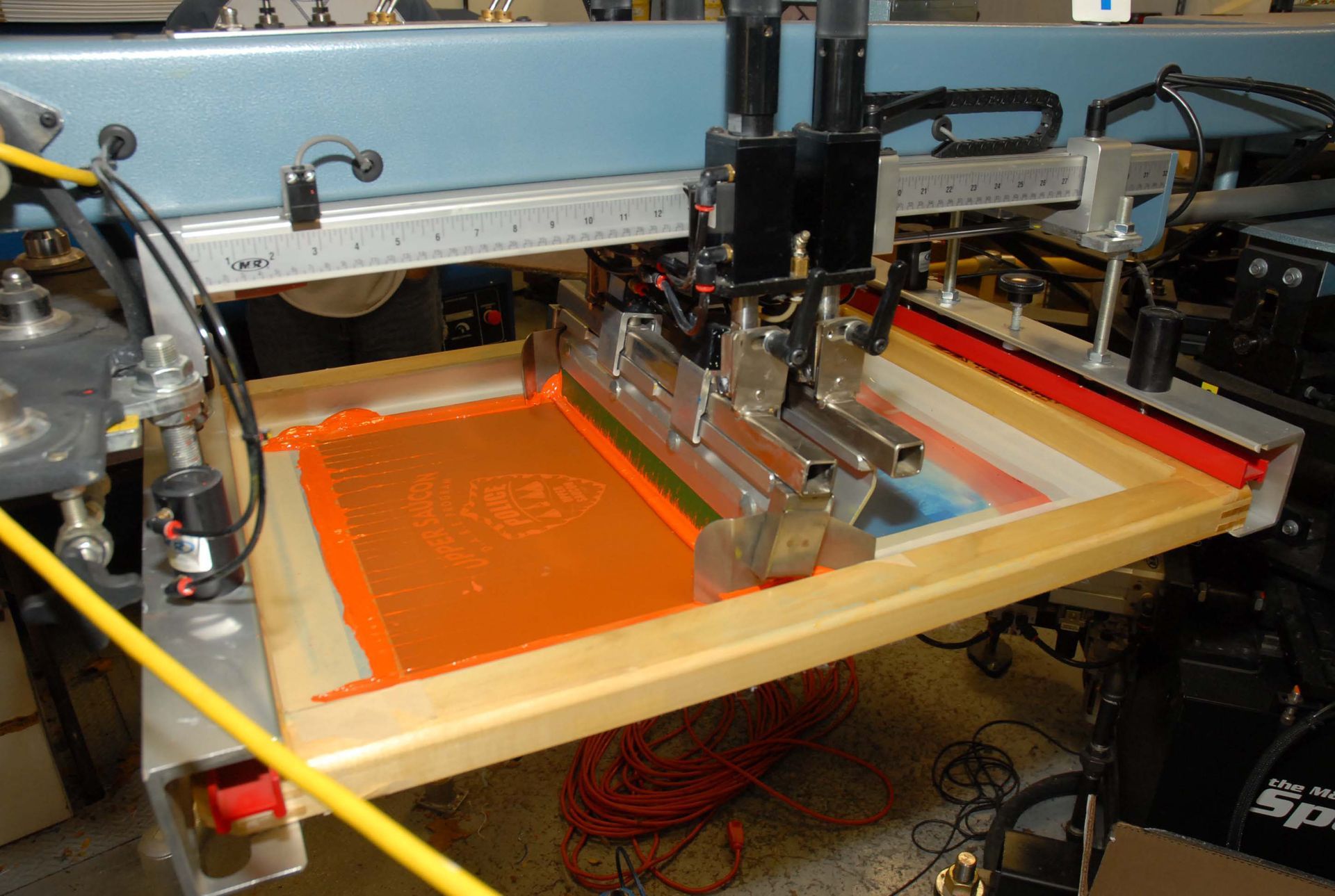
One of the most distinctive characteristics of UV coating is the way it is applied and cured. A liquid finish is spread over the printed surface before being exposed to ultraviolet light. The light rapidly cures the liquid, creating a hard surface that can enhance colors and provide additional protection. Because the curing process happens quickly, printed pieces can often move efficiently to subsequent production stages without requiring lengthy drying periods.
The finish can be used to create different visual effects depending on the project. Glossy options emphasize vivid colors, photographs, and bold graphics, while more subdued finishes can contribute to a refined appearance. Businesses should consider their branding, audience, and intended use before selecting a particular finish. A colorful promotional postcard, for example, may benefit from a different treatment than a sophisticated corporate presentation folder.
Creating Stronger Visual Appeal
Printed marketing pieces frequently compete for attention with emails, online advertisements, social media content, and other promotional messages. An attractive physical piece can provide a tactile experience that digital communication cannot replicate. The reflective quality created by UV coating can make colors appear richer and images more noticeable, helping important visual elements command attention when recipients first encounter the material.
Finishing can also help reinforce thoughtful design choices. A vibrant photograph may appear more dramatic, while a company logo can become a stronger focal point. Designers can coordinate paper stock, typography, imagery, and finishing techniques to create a cohesive presentation. When all of these elements work together, the finished product can communicate professionalism before the recipient even begins reading the message.
Improving Durability During Handling
Marketing materials are often handled repeatedly during transportation, distribution, networking events, sales meetings, or everyday customer interactions. Without adequate protection, surfaces may develop fingerprints, scratches, scuffs, or other signs of wear. A hardened finish creates an additional barrier between the printed design and routine handling, helping materials retain their original appearance for longer periods.
This durability can be especially useful for pieces intended for repeated use. Menus, presentation folders, promotional cards, product materials, and certain sales resources may pass through many hands before reaching the end of their useful lives. Choosing UV coating can provide added protection for these materials while preserving the visual qualities that initially make them appealing. Businesses can therefore maintain a more consistent presentation throughout a campaign.
Selecting Materials for the Best Results
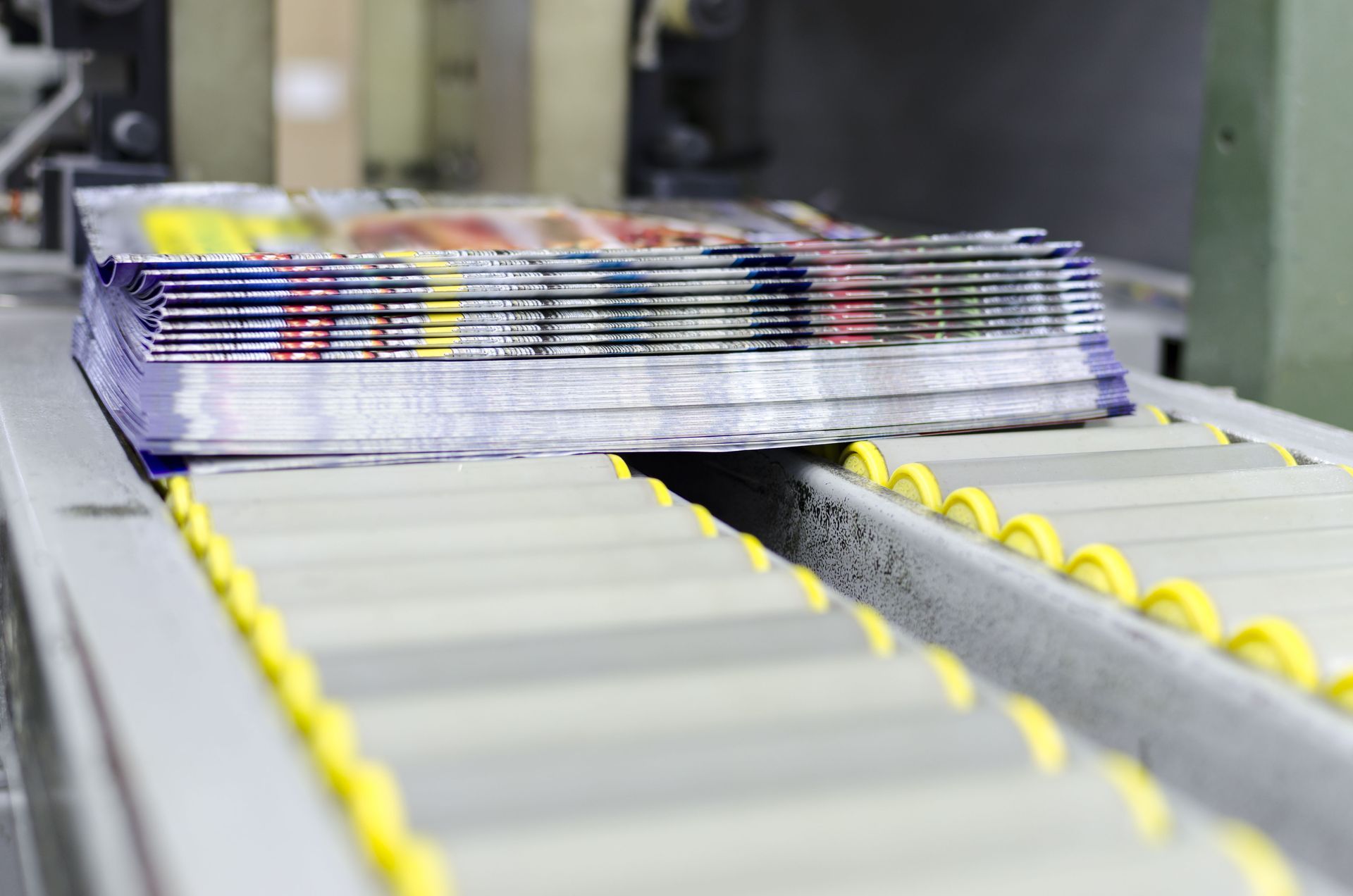
Paper, cardstock, cardboard, and certain other substrates can be compatible with specialized print finishes, although results vary depending on the characteristics of the material. Heavier stocks are frequently selected for premium business cards, postcards, brochures, and packaging because they provide a substantial foundation for the finishing process. The combination of a durable stock and carefully applied surface treatment can create a piece that feels sturdy and professional.
Compatibility should always be considered before production begins. Porous, lightweight, or specially treated materials may respond differently during application and curing. Printers can evaluate the selected substrate, ink, design, and intended finish to determine whether adjustments are necessary. Testing can be particularly valuable for large print runs because it gives businesses an opportunity to evaluate the appearance and feel before committing to full production.
Using Spot Finishes for Creative Emphasis
Not every project requires complete surface coverage. Spot finishing allows designers to highlight specific portions of a printed piece rather than applying the treatment uniformly. A logo, photograph, product name, headline, or other important feature can receive a glossy treatment while the surrounding surface remains comparatively understated. This contrast introduces visual depth and encourages viewers to focus on selected elements.
Spot applications can be particularly effective when designers want to create an upscale or distinctive appearance without overwhelming the underlying design. A restrained layout paired with carefully placed gloss can create noticeable contrast between surfaces. Businesses can use this technique to establish visual hierarchy, direct attention toward important messaging, or simply add an unexpected detail that makes a marketing piece more engaging.
Protecting Materials From Everyday Exposure
Printed materials may encounter moisture, dust, fingerprints, sunlight, and changing environmental conditions during their useful lives. While no finish makes a printed piece indestructible, UV coating can help create a protective surface that reduces the effects of ordinary exposure. This protection can be especially valuable for materials displayed in busy locations or distributed in environments where frequent handling is expected.
Businesses should still store and handle finished materials appropriately. Excessive moisture, extreme temperatures, sharp objects, and harsh chemicals can potentially damage printed pieces regardless of the finish selected. Keeping materials in clean, dry storage and transporting them carefully can help preserve their appearance. Combining responsible handling with a durable finish supports longer-lasting marketing materials and a consistently professional presentation.
Supporting Efficient Print Production
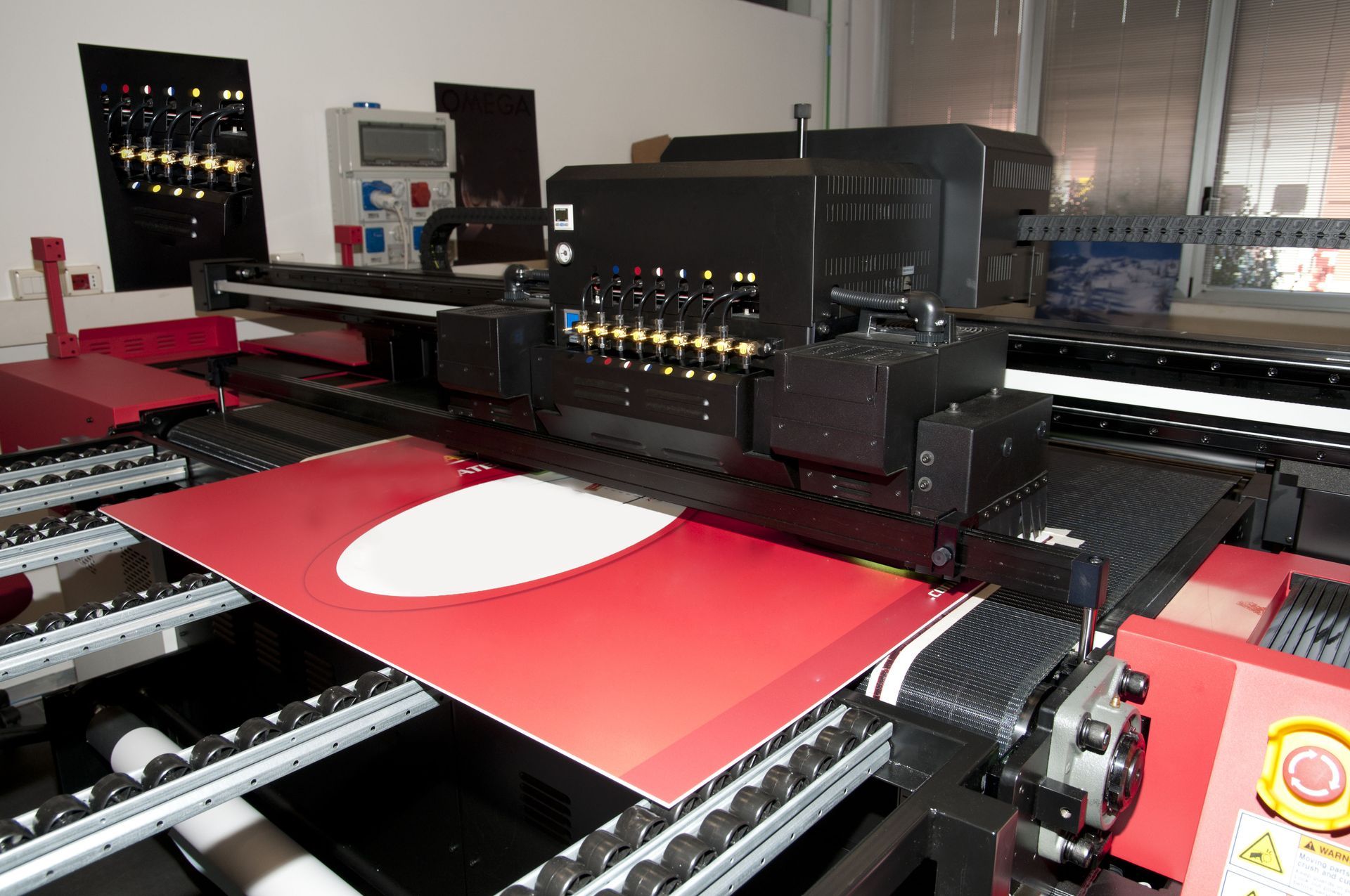
The ultraviolet curing stage is notable for its speed. Rather than waiting for a liquid finish to dry naturally over an extended period, specialized equipment uses ultraviolet light to cure the surface rapidly. This process can support efficient production schedules, particularly when businesses are preparing materials for events, product launches, direct-mail campaigns, or other time-sensitive promotions.
Production efficiency also depends on careful preparation. Before application, the printed surface should be inspected for contaminants, imperfections, and compatibility issues. Equipment must be calibrated to distribute the liquid consistently, and the curing system must operate correctly to achieve an even result. Attention to these details helps prevent defects such as uneven surfaces, bubbles, poor adhesion, or inconsistent gloss across a print run.
Maintaining Quality Through Careful Inspection
Quality control plays an important role throughout professional finishing. Visual inspections can identify inconsistencies in coverage, surface texture, gloss, alignment, or overall appearance. Depending on the project, production teams may also evaluate adhesion and coating thickness to confirm that finished materials satisfy the required specifications. Precision is equally important in other industrial fabrication processes that may support the production of specialized components and equipment. According to The Fabricator, it takes approximately 78,000 pounds of pressure to cut a 10-inch diameter piece of steel. This example demonstrates the significant force and controlled equipment that can be required when working with demanding materials. Identifying issues early reduces waste and helps maintain consistency from the first printed piece to the last.
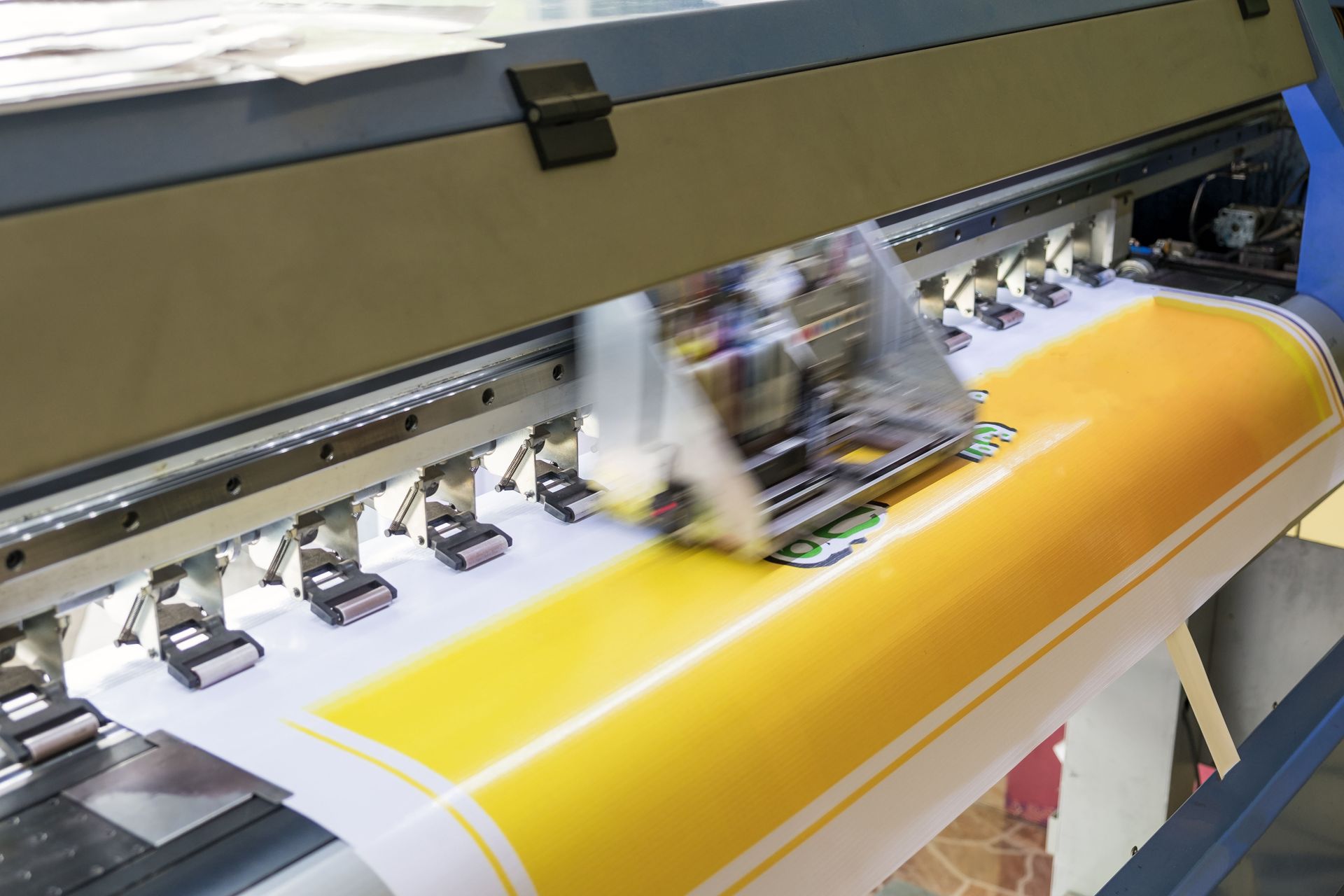
Modern printing equipment can also improve precision during high-volume production. Automated systems help control application rates and curing conditions, while experienced operators monitor results and make adjustments when necessary. Combining reliable technology with professional oversight supports consistent output. This is particularly important for businesses that need thousands of pieces to match across a large promotional campaign.
Ultimately, UV coating provides businesses with another creative tool for improving the appearance and durability of printed marketing materials. Its ability to emphasize visual elements, protect surfaces, and support a polished presentation makes it suitable for a range of promotional applications. By considering substrate compatibility, design objectives, handling requirements, production quality, and budget, businesses can determine how finishing fits into their broader marketing strategy. Thoughtful choices during production can transform a basic printed piece into a professional marketing asset that continues representing the brand long after it reaches the customer. Contact our team at Feiereisen Inc today and learn more about our UV coating services.